

Habits
How do good habits form?
Why do you lock the door automatically — but put off training?
Read the articleTechnique and training. Mindset and development. People, the laws of the game and fair play. Here, the questions that shape your game come together.
A selection to get you started. Each feature leads to a related topic or a practical perspective.
Why do you lock the door automatically — but put off training?
Read the article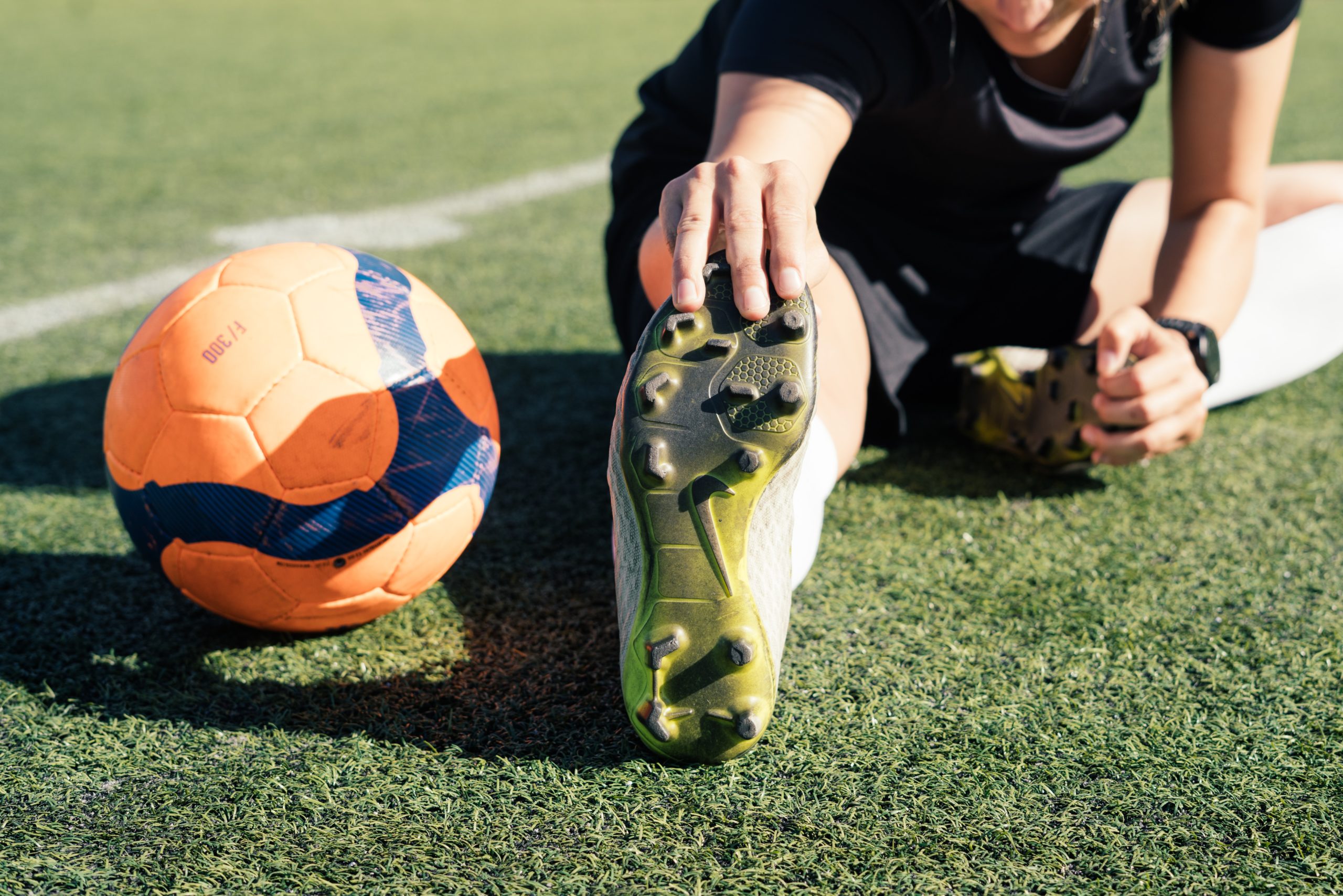
Your new boots are ready. You imagine your first touch of the ball — then notice a pressure point. How can you make those first sessions more comfortable?
Read the article
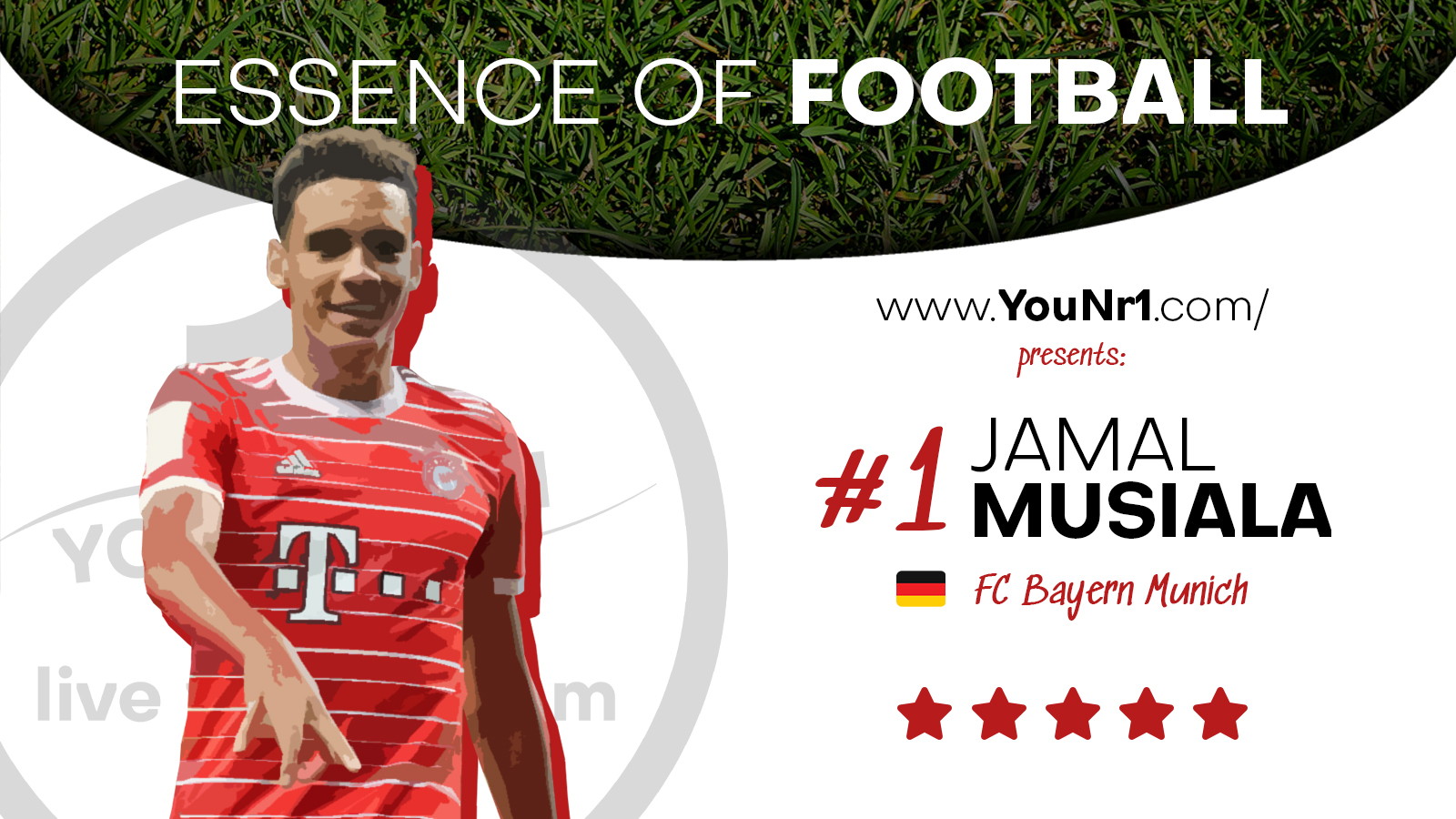
Musiala is past his opponent — what makes the next action dangerous?
Read the article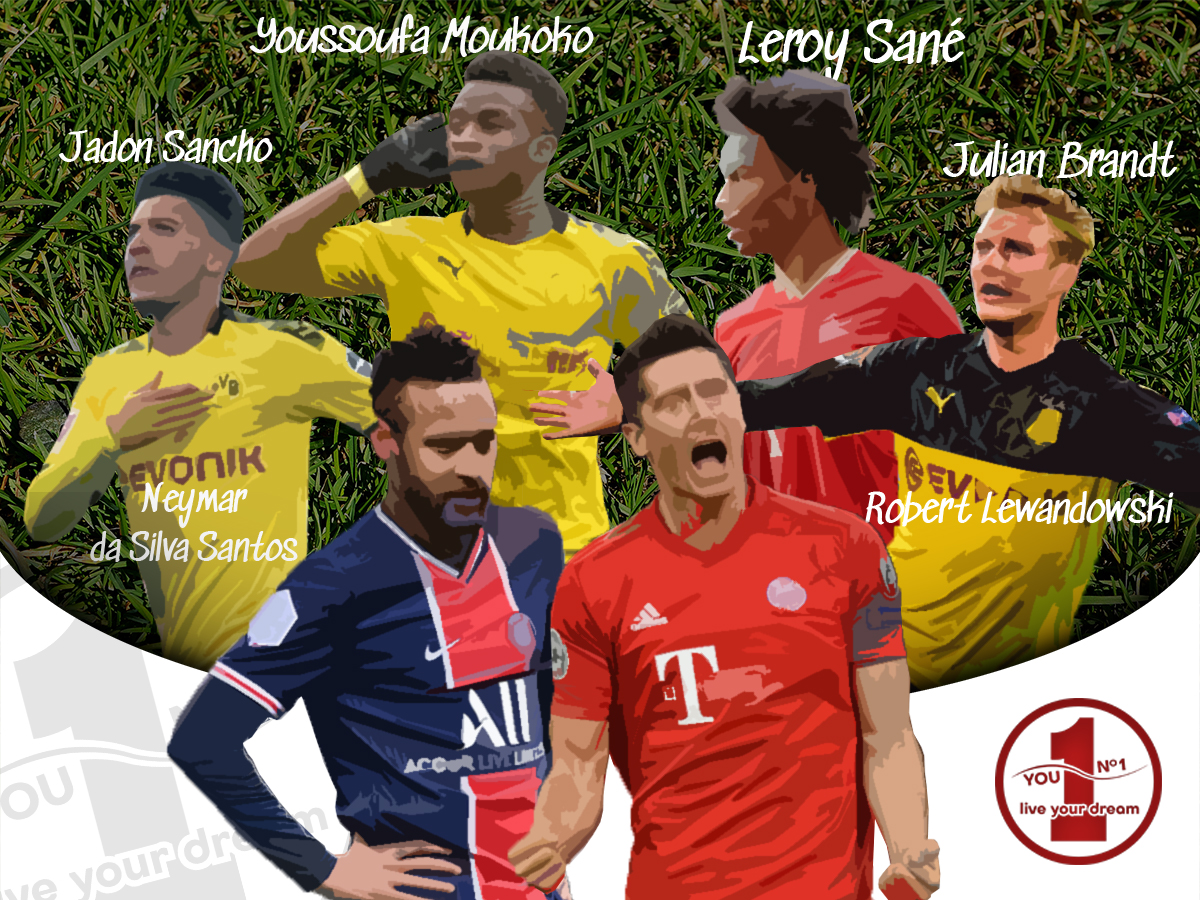
What helps a team when its organised play can no longer find a gap?
Read the article
Starting later or returning after a break? There is still a next step ahead of you.
Read the article
Why adaptation is intelligence in motion, not a weakness
Read the articleA replay shows the contact. Then the discussion begins: who established their position first, how was the ball protected, and what risk did the opponent face?
Read the original article8 features in this selection.
The themes of YouNr1 in one place. Search for a name, question or topic and open the complete article.
8382 articles · 1 video profile
83 features in the index.
What story about yourself takes shape after a difficult decision?
Staying calm in peaceful surroundings is a different task from gathering yourself under pressure. This distinction is the starting point for the article on Yasin Seiwasser’s philosophy.
Breathe in, hold, breathe out: the 1:4:2 method gives these three phases a clear ratio.
The day keeps moving. A message, the next task, thoughts about training. When do you notice how you are breathing right now?
What makes a player so valuable to the whole system?
YouNr1 connects football, personal development and knowledge from different traditions. They share a powerful idea: you can learn, grow and consciously develop your potential.
Can a player make their biggest leap in development after turning thirty?
What remains of an exceptional season when the biggest award is cancelled?
What wins an award — the performance or the story told about it?
Patrick McKeown’s breathwork and qigong approach the body from different directions. Both invite curiosity about the interaction of breathing, movement and attention.
This historical article was written during the COVID-19 pandemic. It connects the wish to take action at that time with breathwork, qigong and caring for the body.
Four phases, one calm rhythm: box breathing gives you a clear structure for gathering yourself under pressure.
Carbon dioxide is more than a waste product. Its role in oxygen release, acid–base balance and biochemical reactions offers a fascinating perspective on your own body.
How does the image of a world star change when you also read about his difficult beginnings?
You are motivated. You know what you want to do. Yet the same task feels completely different today from yesterday.
You are in bed, but your thoughts are still caught up in the day. The 4-7-8 technique popularised by Andrew Weil addresses this transition.
How do you judge a great coach: by trophies, a playing idea or the people they develop?
Vegetables, pulses, whole grains and nuts: a plant-rich diet offers plenty of choice for footballers too. This article introduces its main building blocks.
How does a song become a promise between people?
What helps a team when its organised play can no longer find a gap?
What helps in an acute moment, and which routines strengthen our ability to deal with stress? In this historical conversation, Andrew Huberman connects both questions with the interaction between body and mind.
How do body and mind prepare for a task? In this conversation, Andrew Huberman connects immediate tools for calming down with longer-term routines for resilience.
Musiala is past his opponent — what makes the next action dangerous?
What quality connects Bellingham’s individual actions?
What does a talented player learn before reaching the big stadium?
Why adaptation is intelligence in motion, not a weakness
You see the world star — do you know where they began?
What does winning mean when nobody lays out the path for you?
How does an overlooked possibility become a path of your own?
When can it help an exceptional talent to question their own approach again?
What can a heavy defeat reveal about the environment around a team?
Starting later or returning after a break? There is still a next step ahead of you.
What makes dribbling effective when the player barely loses speed?
What does a team lose when a player’s departure also means losing a certain attitude?
How can you tell whether you recognise something — or can really recall it?
How does an exceptional career become an example for others?
Inhale, pause, exhale, pause: this very short article introduces the basic pattern of box breathing. It directs attention towards a consciously chosen rhythm instead of the next hurried reaction.
Training plans and nutrition receive plenty of attention. This article adds a third perspective: how breathing and inner calm are perceived in everyday life.
You know their names today — but how uncertain was the path at the start?
An elite player stands alone on court, yet is supported by a team. In the interview discussed here, Novak Djokovic talks about the presence and energy he expects from the people around him.
You often notice your breathing only when it becomes fast or strenuous. Patrick McKeown begins earlier, with breathing volume, rhythm and the movement of the diaphragm.
Many trophies. Still an unanswered question?
Two sets down — what keeps you in the match?
You see Lewandowski’s goals. What happens between matches?
Another training session is easy to put in the diary. Give recovery a regular place too: your sleep pattern, relaxation and surroundings all contribute.
Speed, endurance and technique need coordinated training. Breathing also deserves a regular place in it.
Your next training session is set. What role do you give your breathing between exertion and recovery?
Breath holds, counting rhythms and inner focus connect old traditions with modern approaches to training. BOLT, 1:4:2 and Wim Hof offer different routes into this work.
Patrick McKeown’s ‘Oxygen Advantage’ connects breathing habits with the way we handle physical demands. The article moves from basic ideas through physiological responses to experiences in elite sport.
A replay shows the contact. Then the discussion begins: who established their position first, how was the ball protected, and what risk did the opponent face?
This historical article introduces Wim Hof and the idea of considering breathing, endurance and mindset together. It asks why some experiences at the limits of sport attract so much attention.
You reach for your phone, put off getting up and soon find yourself hurrying. This article uses that kind of morning as a starting point for questions about sleep, planning the day and the first conscious step.
How does processing change the food we eat? Flavour, texture, energy density and fullness all interact.
Paleo puts minimally processed foods, their origins and movement at the centre. Behind it is the desire to approach food and lifestyle more consciously.
What remains of your path when the safe plan falls apart?
How do you deal with being belittled without losing sight of your own worth?
Does a school report really show the whole person?
You think about your next session, the demands on your body and the moment when you need to stay focused. This article puts another question at the centre: what role does breathing play in your preparation?
What happens to an elite athlete when something they have relied on for years suddenly stops working?
Pressure and concentration go together in football. Meditation and conscious breathing can provide a calm counterbalance to intense situations in a game.
Your new boots are ready. You imagine your first touch of the ball — then notice a pressure point. How can you make those first sessions more comfortable?
You dream of professional football. What does your Tuesday look like?
Does your limit still apply — or does it belong to an old experience?
Someone tells you that you have no talent. Eventually, the words start to sound like your own description of yourself. This is where the article begins.
Your mind is still negotiating — how do you start taking action?
How would you like to live in older age? With strength, mobility, mental clarity and enjoyment of what matters to you?
A global crisis changes familiar routines. This historical text from October 2020 asks about meaning, adaptability and social connection in an uncertain time.
Setbacks can narrow your view of what is possible. Adaptability, meaning and relationships open up new perspectives.
What can you practise about a movement before performing it on the pitch again?
You start counting, drift away and begin again. This article on Zen presents a simple way to direct attention: observe your breath and use counting to give it a recurring structure.
Why do you remember a match situation more easily than a single sentence?
F&Knowledge brings deeper ideas together.
Original artwork from YouNr1 Classic · EN