
The Story of the World’s Most Beautiful Football Song
How does a song become a promise between people?
05.11.2020 / 27.10.2026
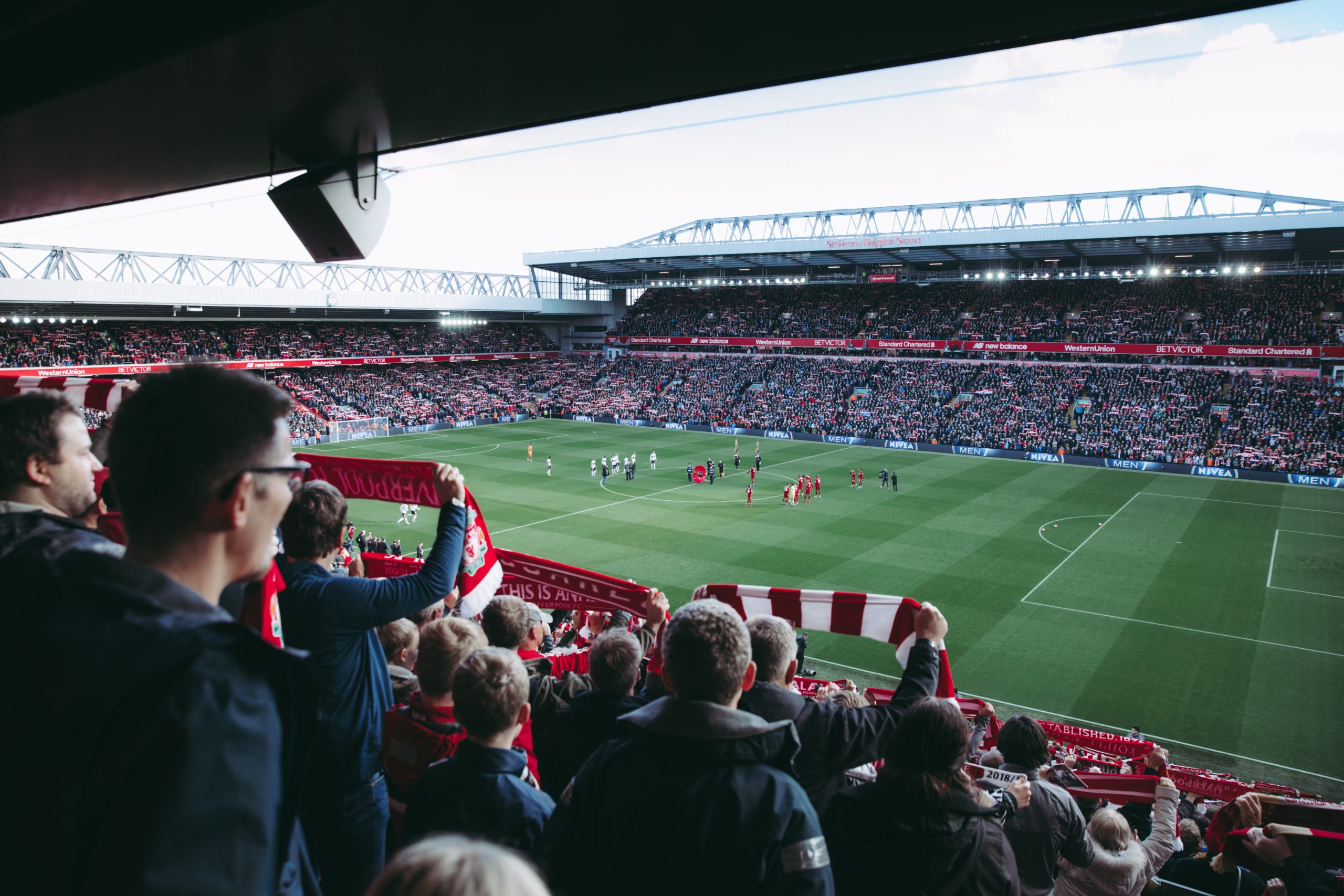
How does a song become a promise between people?
A team is losing. Thousands of people in the stands begin to sing. This article about ‘You’ll Never Walk Alone’ traces the song’s journey from a musical into football culture, where it has come to stand for hope and belonging.
The story leads from Liverpool to other stadiums, connecting great sporting moments with remembrance and grief. It also asks about the role of supporters: what does support mean when a match is lost or someone makes a serious mistake?
For more than half a century, “You’ll Never Walk Alone” has been sung in football stadiums. Nearly every Liverpool home match begins with this anthem, and it is also part of the fan culture in many other grounds – including Borussia Dortmund, Celtic Glasgow and FC St. Pauli.
The song no longer belongs to one club alone. It has become a shared symbol of the football world: a message of hope, unity and the belief that no one should face a difficult moment alone.
Where did “You’ll Never Walk Alone” come from?
Richard Rodgers and Oscar Hammerstein II wrote the song in 1945 for the American musical Carousel. Its consoling message resonated strongly with people living through loss, separation and the aftermath of the Second World War. Many well-known performers later added the song to their repertoires.
In 1963, Gerry Marsden and his band Gerry and the Pacemakers released a new version. It became a major hit and soon moved from the charts to the football terraces.
How did the song reach Liverpool?
There are two well-known explanations for the beginning of the tradition at Anfield Road.
According to the first account, Gerry Marsden played the song to Liverpool manager Bill Shankly. Shankly was impressed by its power and supported the idea of making it an anthem for the Reds. Former Liverpool player Tommy Smith later helped popularise this version of events.
The second explanation points to the stadium sound system. Before matches, the current British chart hits were played. While “You’ll Never Walk Alone” was at number one, supporters heard it regularly, learned the words and sang along. Even after it dropped out of the charts, they kept asking for “their song” – and eventually continued singing it without the recording.
A song that gives strength
The 2005 Champions League final showed how powerfully this anthem can carry a team. Liverpool trailed AC Milan 3–0 at half-time, yet the supporters did not lose hope and kept singing. Liverpool equalised and won the final on penalties.
A Milan coach later described how difficult it was to explain the energy created when tens of thousands of Liverpool supporters sang the song together.
Its message also matters after defeats and individual mistakes. When Loris Karius, and earlier Jerzy Dudek, experienced painful moments, teammates and supporters did not respond only with criticism; they also showed solidarity. In that context, “You’ll Never Walk Alone” means: you still belong with us.
A song of remembrance
The anthem is also connected with tragic chapters in football history. After the Bradford stadium disaster in 1985, Gerry Marsden joined many British musicians in recording a charity version, with proceeds supporting those affected and their families.
The memory of the Hillsborough victims is likewise inseparable from the words “You’ll Never Walk Alone”. The phrase became part of Liverpool’s crest and still defines the Shankly Gates at Anfield Road.
More than a club anthem
Whether it is sung in Liverpool, Dortmund, Glasgow or Hamburg, the song turns thousands of separate voices into one shared force. That is why “You’ll Never Walk Alone” is much more than a football song. It is a promise – in victory, defeat and times of grief.