When the Body Breaks, the Will Remains
What happens to an elite athlete when something they have relied on for years suddenly stops working?
16.09.2021 / 27.10.2026
The body is no longer the same. How do you find a new beginning?
What happens to an elite athlete when something they have relied on for years suddenly stops working?
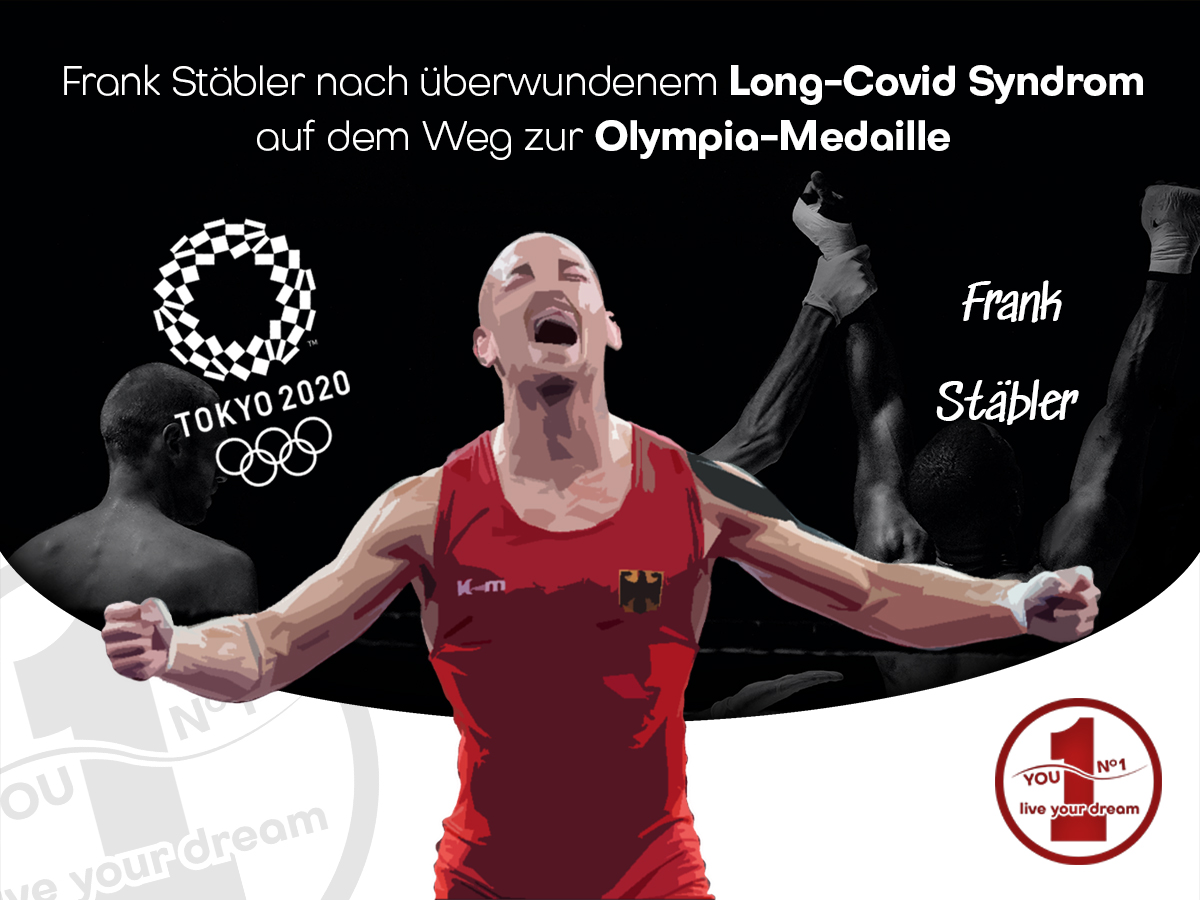
‘When the Body Breaks, the Will Remains’ tells the story of Frank Stäbler after a serious health challenge. It concerns recognising limits, working deliberately on deficits and using support, rather than a simple call to grit your teeth.
For football readers, this wrestler’s story offers a change of perspective. A comeback does not always begin with a return to your old best performance. Sometimes it begins by taking a changed starting point seriously and finding a path from there.
🔴 MOTIVATION
INSPIRING STORIES
When the body weakens, the will becomes visible.
Frank Stäbler was not facing the classic problem of a young athlete who still has to prove himself. He faced something harder: his body was no longer the same.
Following his COVID illness in autumn 2020, Stäbler reported greatly reduced performance capacity. He worked on his return together with his team; breathing work with Yasin Seiwasser was part of that journey.
That is what makes this story so powerful. It is not about an easy comeback. It is about an athlete who kept going although his own foundation had been damaged.
Many athletes can fight when they are fit. Fewer can fight when they feel their bodies no longer do what they once did. That is where another form of strength begins.
Stäbler responded with work rather than resignation. He targeted his deficits and sought support from a specialist breathing coach. That is more than discipline. It is a willingness to rebuild the path instead of simply hoping for old strength to return.
This story matters especially for young players because it shows something sport often pushes aside: not every path goes upwards. Not every setback is visible. And not every crisis concerns only the result. Sometimes it affects the body itself.
That is when it becomes clear whether an athlete merely performs or can truly sustain the journey. Stäbler chose the second path, not as a symbol, but in daily work.
Later, people see only the medal. What they do not see is the time before it:
- the uncertainty;
- the breathing work;
- the doubts;
- the patience.
Yet that is where the story’s real value lies. In this case, bronze is more than a placing. It is evidence that willpower does not disappear when the body becomes weaker. Sometimes that is when it becomes truly visible.
Stäbler’s path shows how much a clear goal, patience and a coordinated rebuilding process can mean. His Olympic bronze medal is the sporting high point of this personal comeback story.
With Long Covid, exertion is adjusted to the individual course of illness; delayed worsening after activity, in particular, belongs within medical care.