Be faster, fitter and healthier
Your next training session is set. What role do you give your breathing between exertion and recovery?
11.01.2021 / 27.10.2026
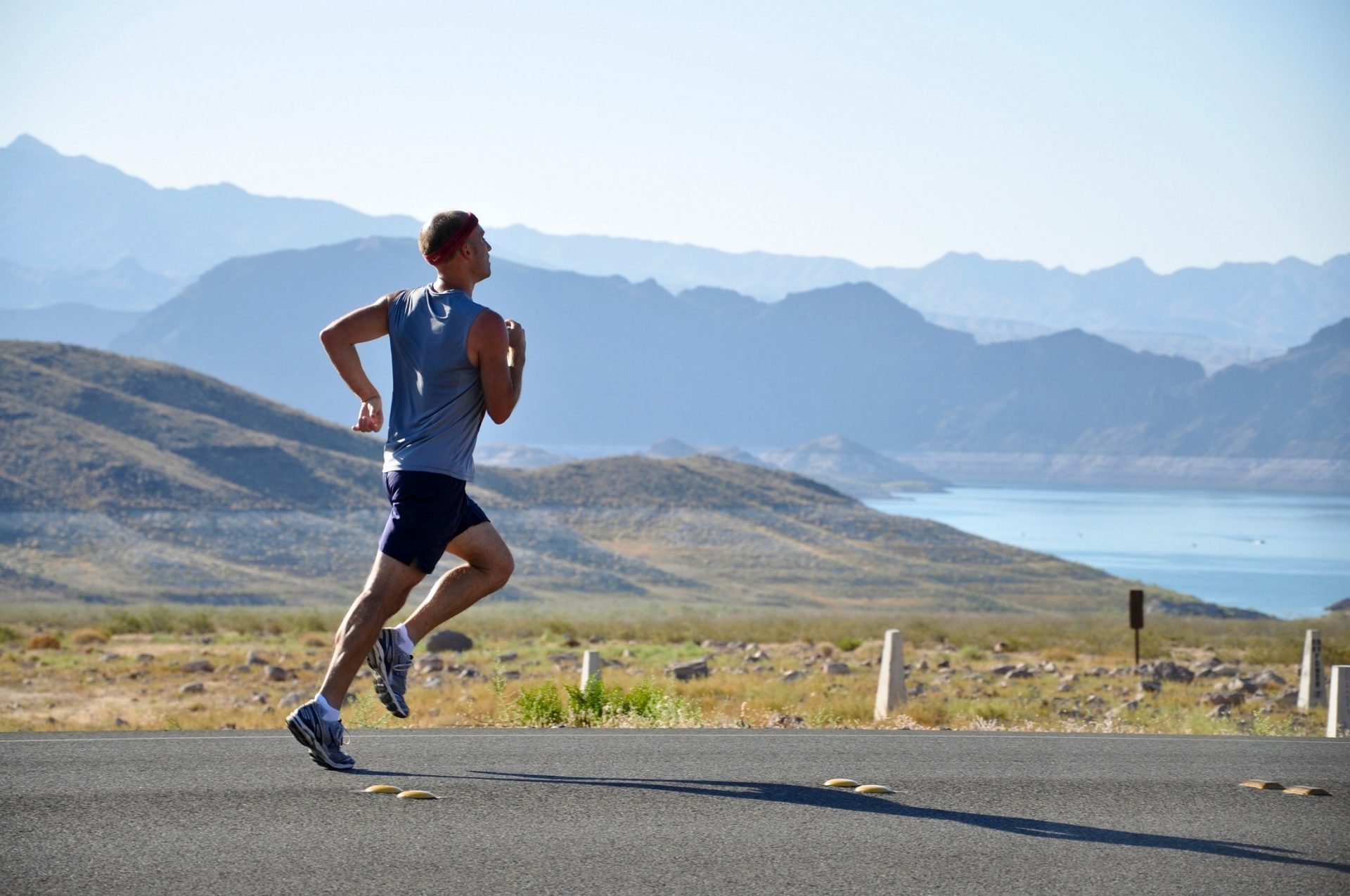
You train your body — how consciously do you consider your breathing?
Your next training session is set. What role do you give your breathing between exertion and recovery?
From establishing a personal baseline through choosing a method to regular practice, this article guides you through YouNr1’s breathing topics. The Navy SEALs, Wim Hof, Zen and 1:4:2 offer different perspectives.
Many athletes invest heavily in muscles, endurance and technique. Breathing deserves a fixed place too: it accompanies every effort and connects physical work with concentration and recovery.
The COVID-19 pandemic made the importance of respiratory health particularly clear. This article focuses on breathing habits and training; infection prevention remains a separate area.
Our website is for people who love sport, enjoy looking after their health and want outstanding fitness to set them apart from other athletes. That is why we place such emphasis on breathing exercises: we already know how useful and important they are.
Examples that encourage us
Conscious breathing has an established place in Japanese martial arts and other Asian traditions. It connects physical execution with concentration and inner calm.
The US Navy SEALs use breathing exercises to maintain good physical condition and withstand difficult conditions and demands.
Wim Hof became known for extraordinary achievements in cold and strenuous conditions. From them he developed his own method, combining breathing, concentration and cold, which encouraged researchers to examine bodily responses more closely.
The 2019 Nobel Prize in Physiology or Medicine honoured the discovery of how cells sense and adapt to oxygen availability. This fundamental knowledge shows oxygen’s central role in the organism.
In Chinese tradition, Qi Gong combines breath, movement, posture and mental composure. Its often calm movements make the connection between attention and physical practice immediately tangible.
How should I begin?
1
Begin with a personal starting point. In McKeown’s approach, the BOLT test describes a comfortable pause after exhalation until the first clear urge to breathe. Find the procedure here: BOLT test and breathing practice.
2
First get to know one method and its sequence. A fixed time, such as a quiet minute in the morning, helps turn it into a habit. These articles introduce different approaches:
Navy SEALs method — Navy SEALs method
Wim Hof Method — Wim Hof Method
Zen method — Zen method
1:4:2 method — 1:4:2 method
3
Occasionally record how you feel and how your BOLT score develops under the same conditions. Every measurement ends at the first clear urge to breathe.
4
Stay curious and let your experiences encourage you. Meditation and yoga can offer further ways to connect attention, movement and recovery in daily life.